Top 10 Sandbag Board Game Strategies for Ultimate Fun and Engagement
In the world of tabletop gaming, the "Sandbag Board Game" genre has surged in popularity over recent years, captivating both casual and avid gamers alike. According to a comprehensive market report by Grand View Research, the board game industry is projected to reach $12 billion by 2025, with strategy games like sandbagging leading the charge due to their engaging mechanics and social interaction. Esteemed industry expert Dr. James Carver, known for his insightful analysis on board game trends, asserts that "the art of sandbagging not only enhances strategic depth but also enriches player engagement across diverse age groups."
As players strategize and compete to outwit their opponents, the nuances of sandbagging become increasingly evident. The approach encourages players to underplay their strengths while masking their true intentions, leading to thrilling gameplay moments. With this dynamic in mind, understanding the top strategies for Sandbag Board Game success not only elevates individual performance but also fosters a vibrant gaming experience that resonates with participants. Through careful analysis and exploration of effective techniques, players can enhance not only their skill sets but also their enjoyment, ensuring that every game night is filled with laughter, surprises, and unforgettable camaraderie.
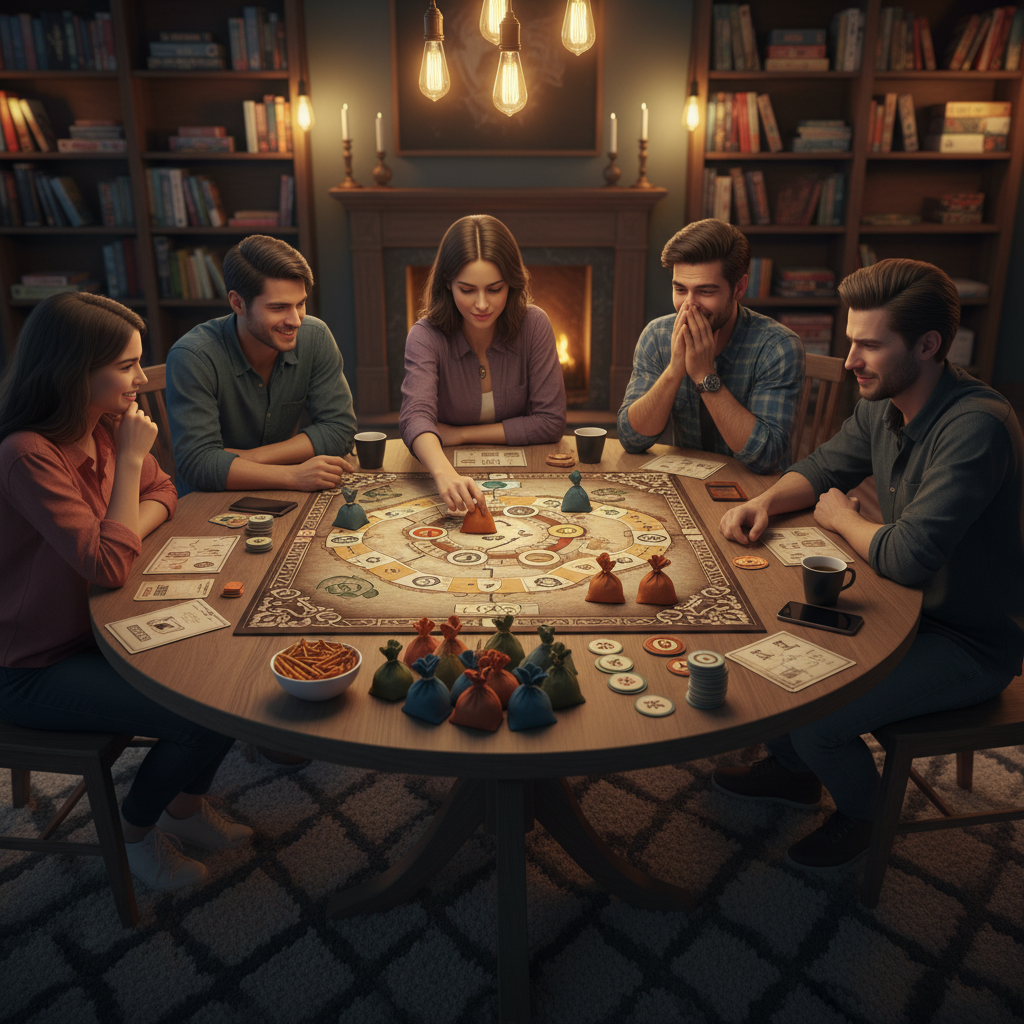
Understanding the Basics of Sandbag Board Games for New Players
Sandbag board games offer a unique and engaging experience for players,
blending strategy with social interaction. For newcomers to these games, it's essential to understand the fundamentals before diving into the complexities of gameplay.
Typically, sandbagging involves players intentionally underperforming to manipulate the game's outcomes,
creating tension and excitement.
New players should familiarize themselves with the rules and objectives of the game while observing the behavior of more experienced players,
as this will provide valuable insights into effective play.
As players grasp the basic concepts of sandbag board games, they can start developing their strategies.
Observing the dynamics between players is crucial, as timing one's moves can significantly impact overall game performance.
Newcomers should focus on building alliances and understanding when to reveal their strengths or play it low-key.
The interplay of deception and strategy can lead to thrilling gameplay, making it vital for players to adapt their approach as the game progresses.
Engaging deeply with the game's mechanics will transform the experience, ensuring it remains fun and captivating from start to finish.
Crafting Effective Strategies: Prioritizing Your Moves
In the world of sandbag board games, the way you prioritize your moves can significantly influence the outcome. Crafting effective strategies involves not just playing your cards right but also anticipating your opponents' actions. One fundamental tip is to assess the board state thoroughly before making a decision. Look for potential threats from your opponents and prioritize moves that can counteract those threats while simultaneously advancing your own position.
Another crucial aspect of prioritizing your moves is understanding the game's mechanics. Focus on actions that give you the most value. For instance, if you're playing a game that allows you to collect resources, ensure that you're always building towards key objectives. This means investing in moves that might seem minor at first but can lead to a significant advantage later in the game.
Lastly, don’t underestimate the power of adaptability. While having a plan is essential, the dynamics of board games often call for quick adjustments. Keep an eye on not only your strategy but also how it's being impacted by the interactions on the board. Being flexible allows you to pivot when needed, providing enhanced engagement and increasing your chances of inflicting that ultimate fun to your gaming experience.
Top 10 Sandbag Board Game Strategies for Ultimate Fun and Engagement - Crafting Effective Strategies: Prioritizing Your Moves
| Strategy Rank |
Strategy Name |
Engagement Level |
Effectiveness Score |
Recommended For |
| 1 |
Balanced Approach |
High |
9.5/10 |
All Players |
| 2 |
Aggressive Tactics |
Medium |
8.7/10 |
Competitive Players |
| 3 |
Defensive Play |
High |
9.2/10 |
Casual Players |
| 4 |
Resource Management |
Medium |
8.5/10 |
Strategists |
| 5 |
Risk Taking |
Low |
7.8/10 |
Adventurous Players |
| 6 |
Team Collaboration |
High |
9.0/10 |
Group Players |
| 7 |
Strategic Delay |
Medium |
8.3/10 |
Cautious Players |
| 8 |
Adaptive Strategies |
High |
9.4/10 |
Versatile Players |
| 9 |
Surprise Moves |
Medium |
8.0/10 |
Innovative Players |
| 10 |
Endgame Focus |
High |
9.1/10 |
Victory-Oriented Players |
Utilizing Deception: Bluffing Techniques for Increased Engagement
Utilizing deception in board games can significantly heighten player engagement, particularly through effective bluffing techniques. A study published by the International Journal of Gaming and Computer-Mediated Simulations found that games that incorporate elements of deception can increase player interaction by up to 30%. Players are more likely to take risks and establish social connections when they suspect that others may not be revealing their true intentions. This dynamic not only cultivates a more intense atmosphere but also enhances the overall enjoyment of the game.
One of the most effective bluffing techniques involves strategic misdirection, where players effectively communicate false (or misleading) intentions through their actions and verbal cues. According to a report by the Pew Research Center, 68% of avid gamers reported that bluffing adds an unexpected element of surprise, which keeps the gameplay refreshing and exciting. By mastering this art of deception, players can manipulate the perceptions of their opponents, creating opportunities to outmaneuver them while simultaneously fostering heightened engagement and anticipation around their next moves.
Top 10 Sandbag Board Game Strategies for Ultimate Fun and Engagement
Team Dynamics: Collaborating with Partners for Success
In the world of sandbag board games, teamwork is essential for success and enjoyment. Collaborating with partners requires a fluid approach, as demonstrated in recent studies on human-agent collaboration. Just as real-life collaborations can often veer from predefined plans, effective gameplay involves adapting strategies on the fly, creating an engaging experience that maximizes player enjoyment. Building a dynamic partnership within the game can lead to improved communication and greater overall success.
**Tip 1:** Establish clear roles but remain flexible. While it's essential to know each team member's strengths, being open to shifting roles can enhance collaboration and encourage creative problem-solving during the game.
**Tip 2:** Foster trust and transparency within your team. Much like in corporate partnerships, team dynamics flourish in an environment where all players feel secure to express their ideas and concerns. Regularly check in with each other to align on strategies and maintain a strong working relationship.
Ultimately, collaborative play not only enhances the game's fun quotient but also transforms the way players interact, paving the path for remarkable teamwork and exceptional game outcomes.
Adapting to Opponents: Flexibility in Your Game Plan
In the world of sandbag board games, adaptability is a crucial component of a winning strategy. The ability to read your opponents and adjust your game plan accordingly can often mean the difference between victory and defeat. For instance, if you notice that a particular player tends to overcommit to aggressive plays, you can pivot your strategy to capitalize on their impulsiveness. This could involve setting traps or creating scenarios where their high-risk decisions lead to significant setbacks.
Moreover, flexibility in your game strategy allows you to enhance engagement and enjoyment for everyone involved. When you are willing to alter your approach based on the unfolding dynamics of the game, you not only keep your opponents on their toes but also create a more interactive and thrilling experience. For example, if you sense that a player is getting frustrated, you might choose to collaborate instead of compete, fostering a more fun atmosphere. This adaptability not only improves your chances of winning but also enriches the social experience, making the game night more memorable for all.