2026 How to Choose the Perfect Wooden Croquet Ball?
Choosing the right wooden croquet ball can make a significant difference in your gameplay experience. According to a recent report by the American Croquet Association, high-quality materials are essential for a well-functioning ball. Wooden croquet balls are often favored for their traditional appeal and optimal performance. They provide a balance that synthetic balls cannot match.
When selecting a wooden croquet ball, consider factors like weight, density, and finish. A ball's weight should feel comfortable for prolonged play. Dense woods like maple or oak offer durability and consistency. However, not all supposedly high-quality balls perform well. Testing them can provide insights that theories cannot.
Many users find themselves uncertain about their choices. Some may pick based on color or price, overlooking crucial specifications. It’s vital to reflect on your playing style and preferences. Reading user reviews can offer perspectives that may reshape your understanding. Ultimately, choosing the perfect wooden croquet ball requires more than just a glance. It demands attention and thoughtful consideration.
Understanding the Different Types of Wooden Croquet Balls Available
When selecting a wooden croquet ball, understanding the types available is crucial. Different wood varieties offer unique performance characteristics. For example, beechwood is often preferred for its durability and resistance to denting, providing a solid playing experience. Meanwhile, birch is lighter, which can enhance maneuverability but may wear faster.
Data from the Croquet Association indicates that about 70% of players believe that the type of wood impacts gameplay. Players often experience varying levels of control and spin depending on the ball's material. Additionally, some timber, such as maple, can absorb moisture. This may lead to a decline in performance over time.
The size and weight of the balls also matter significantly. Standardized dimensions ensure a level playing field, yet players might prefer personalized weights. Those who seek precision might find heavier balls more beneficial. However, there's a trade-off, as excessive weight could hinder performance. Understanding these factors can help players make informed decisions about their equipment.
Evaluating the Quality of Wood: Key Characteristics and Benefits
Choosing the right wooden croquet ball is essential for an enjoyable game. The quality of wood plays a critical role in the ball's performance and durability. Hardwood, such as maple or hickory, is preferred for its density. These types of wood provide substantial weight and a good bounce. Lightweight woods may crack or lose shape over time.
Tip: Test the ball's weight and feel. A well-made ball should have a solid, satisfying heft in your hand.
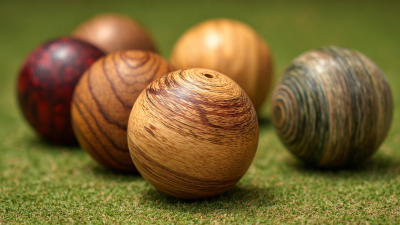
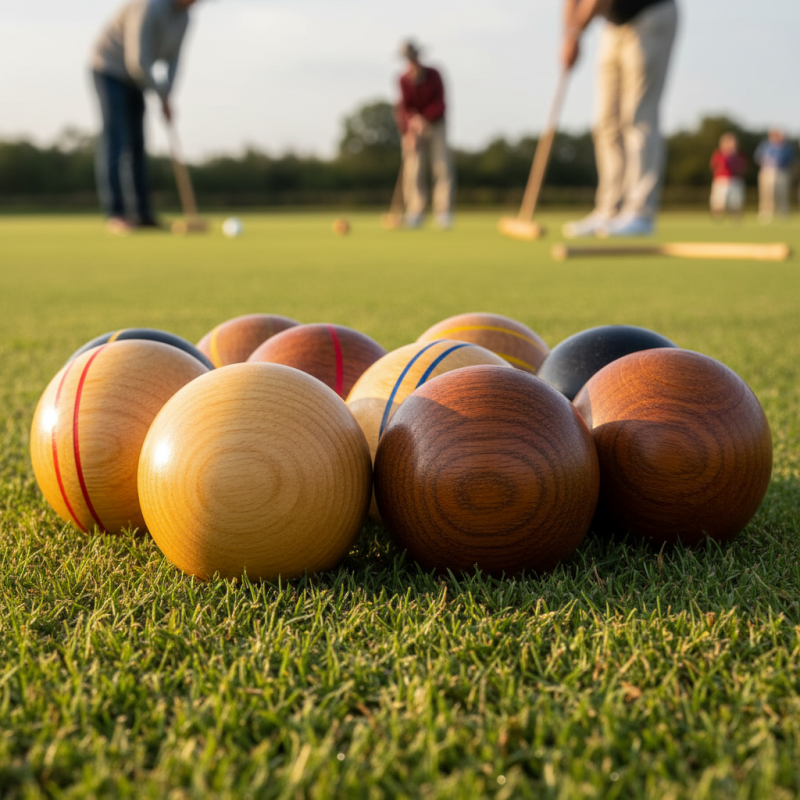
Look for evenly grained wood. Imperfections can lead to inconsistencies during play. Knots or warping are signs of inferior quality. The finish is also significant; a smooth surface aids in accurate shots. Nevertheless, some players appreciate a bit of natural texture to enhance grip.
Tip: Examine the ball closely. Minor flaws can impact your game, so choose wisely.
Remember, not all wood is created equal. Many options exist, but not all will suit your style. Options that are visually appealing may not perform well. Invest time in evaluating the characteristics of wood to find your ideal match.
Assessing Weight and Size for Optimal Performance in Gameplay
Choosing the perfect wooden croquet ball involves understanding its weight and size. The right specifications can significantly affect gameplay. Heavier balls tend to travel straighter, providing better control. Lighter balls are easier to maneuver but may lack the same accuracy. Finding the balance between these two is key for any player.
Weight should ideally range between 16 to 18 ounces. A ball on the lighter side offers speed but requires more skill. Conversely, heavier balls can be difficult for beginners. It's essential to consider personal comfort and control. Size also matters. Standard croquet balls have a diameter of about 8 inches. Smaller balls may be less intimidating but can limit precision.
Testing different weights and sizes can reveal much. Players often discover their preferences through practice. It’s normal to feel uncertain about which size works best. Adjusting to a new ball can take time. Consider keeping a journal of your experiences. This self-reflection can enhance your understanding of what feels right during play.
2026 How to Choose the Perfect Wooden Croquet Ball? - Assessing Weight and Size for Optimal Performance in Gameplay
| Aspect |
Recommended Values |
Impact on Gameplay |
| Weight |
8 oz - 10 oz |
Heavier balls provide more momentum, while lighter balls allow for better control. |
| Diameter |
3.5 inches - 4 inches |
Larger balls are easier to hit, while smaller balls increase precision challenges. |
| Material Quality |
High-quality hardwoods |
Better durability and consistency in performance over time. |
| Finish |
Smooth, polished |
Reduces friction and enhances control during strikes. |
| Color |
Bright colors |
Enhances visibility on the lawn for improved gameplay. |
Considering Design and Aesthetics: Color and Finish Options
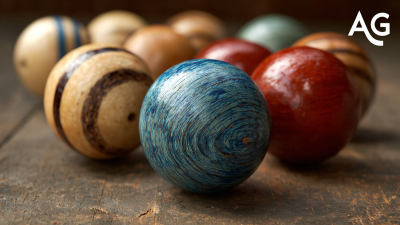
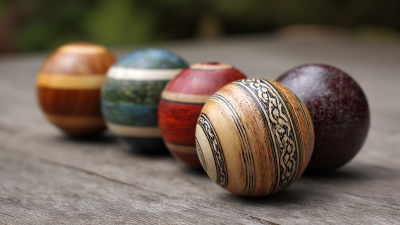
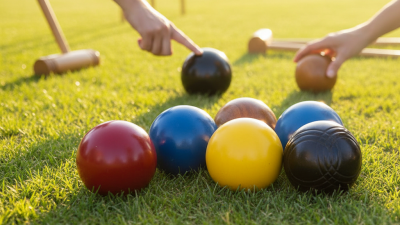
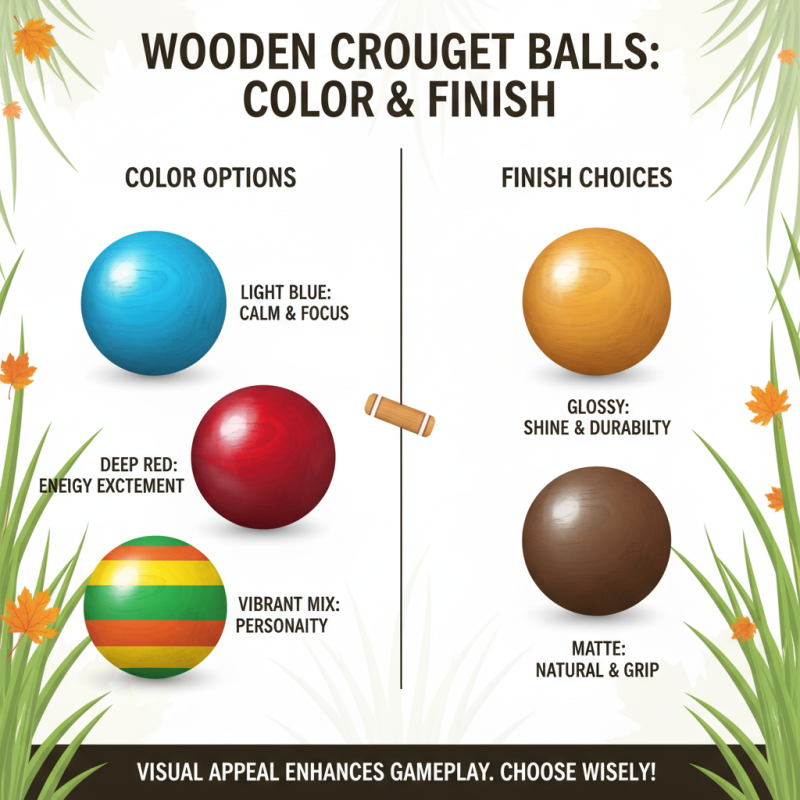
When choosing the perfect wooden croquet ball, color and finish play a significant role. The visual appeal of the ball enhances its overall impact on the game. Consider vibrant colors that stand out against natural grass. Bright hues not only catch the eye but can also inject personality into your croquet set. Light blues or deep reds can evoke emotions and make the game more exciting for players.
Finish options are equally important. A smooth, glossy finish often enhances the ball's durability and weather resistance. However, a matte finish can provide better grip, especially in humid conditions. Striking a balance between aesthetics and functionality is essential. Experimenting with different combinations may lead to dissatisfaction. You might realize that a particular finish you love isn't practical during play.
Pay attention to the colors you choose. Certain shades may fade faster than others or may be prone to chipping. Some players prefer a classic look with natural wood tones, while others endorse colorful designs. Reflect on your personal style and how it translates to your croquet game. The right selection will not only influence your play but also the overall enjoyment of this timeless game. Embrace the imperfections and learn from your choices.
Examining Price Range: Balancing Budget and Quality Factors
When selecting a wooden croquet ball, price is often a primary concern. According to the National Association of Croquet Players, quality balls can range from $20 to over $100. This price gap raises questions about durability and performance. A lower-priced ball may seem appealing at first, but it might lack longevity, causing you to replace it sooner. Investing in a mid-range option often offers the best balance between cost and durability.
Materials play a crucial role in pricing. Higher quality woods, such as maple or beech, enhance ball performance. These materials not only improve playability but also increase longevity. A report from the Sports Equipment Industry Association noted that players prefer balls that resist chipping and wear. Opting for a well-constructed wooden ball can develop your skills effectively.
While it’s tempting to choose based solely on price, consider the implications. A less expensive ball might not perform well on the court, leading to frustration. Players often regret skimping on this vital equipment. Budgeting adequately for a quality ball becomes essential for long-term satisfaction and improved gameplay. Prioritizing quality over immediate savings will enhance your overall croquet experience.