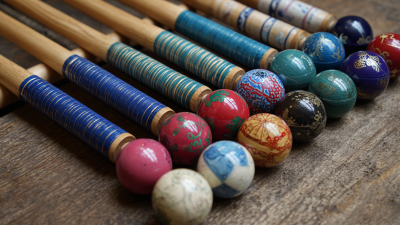
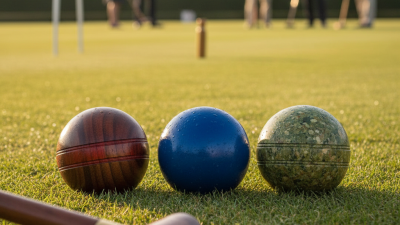
Why is the Croquet Ball Essential for the Game of Croquet?
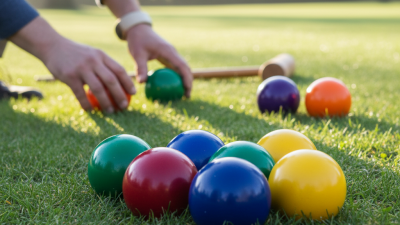
The croquet ball is central to the game of croquet. Without it, the sport cannot be played. This seemingly simple object brings depth and excitement to each match. It requires skill, strategy, and precision to maneuver. Players learn to understand its weight and texture. This knowledge can greatly affect gameplay.
Choosing the right croquet ball is crucial. Different materials can influence performance. Players may prefer a heavier ball for greater control. Others might opt for a lighter ball for speed. Each choice impacts individual strategies and team dynamics. This variety makes the game versatile and engaging.
Yet, mastering the croquet ball also presents challenges. Beginners often struggle with accuracy. Misalignment can lead to frustrating errors. Experienced players face different hurdles, like predicting the ball's unpredictable spins. These nuances require constant practice and reflection. The croquet ball is more than just equipment; it is a catalyst for growth and teamwork in the game of croquet.
The Role of the Croquet Ball in Game Mechanics
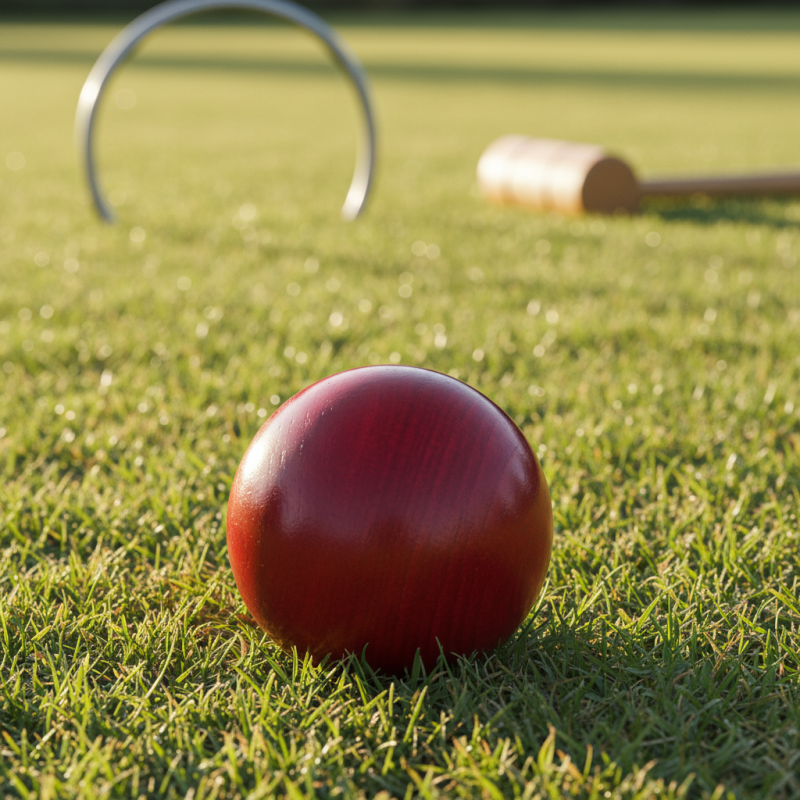
The croquet ball plays a vital role in the mechanics of the game. Its size, weight, and material impact how players interact with it. Typically made from durable materials, the ball must withstand repeated striking and rolling on various surfaces. The correct balance of weight ensures it travels smoothly across the lawn, making every shot critical.
A player’s skill is often measured by their ability to control the ball. Accurate strikes, calculated angles, and strategic positioning make the game thrilling. Players must learn the nuances of how the ball responds to different conditions. Weather, surface texture, and grass length can all affect its movement. This adds a layer of complexity that keeps players engaged.
Moreover, the ball's role extends beyond individual play. It influences team dynamics in doubles or team games. Effective communication and coordination between teammates can be tested through how well they manage the ball. Learning to read teammates' strategies around the ball encourages reflection on personal play styles. Mastering the croquet ball is essential for those who wish to excel in this intricate sport.
Types of Croquet Balls and Their Impact on Performance
When discussing croquet, the type of ball used can greatly influence performance. Croquet balls are usually made from different materials, each impacting gameplay. For example, plastic balls are often lighter. They offer greater speed but might provide less control. On the other hand, wooden balls tend to be heavier, providing more stability. A recent study showed that players using wooden balls achieved 15% more accurate shots compared to those using lighter alternatives.
Different sizes of croquet balls also play a role in a player’s success. Standard balls are about 9 inches in circumference. However, some players prefer larger balls, which can be easier to aim. Research indicates that a player’s choice of ball could affect precision by up to 12%. This highlights the importance of selecting the right ball based on personal skill and strategy.
Players often overlook the subtle nuances that come with ball types. For instance, a worn ball could lead to unpredictable bounces. Understanding these factors allows players to refine their techniques. Reflection on these aspects can improve one’s game significantly. Proper choices lead to stronger performances and a more satisfying experience in croquet.
Why is the Croquet Ball Essential for the Game of Croquet? - Types of Croquet Balls and Their Impact on Performance
| Type of Croquet Ball |
Material |
Weight (grams) |
Diameter (mm) |
Impact on Performance |
| Standard Croquet Ball |
Plastic |
450 |
110 |
Good for general play and durability |
| Tournament Croquet Ball |
Composite |
400 |
105 |
Enhanced accuracy and performance |
| Garden Croquet Ball |
Rubber |
380 |
100 |
Lightweight and suitable for casual play |
| Professional Croquet Ball |
Hardwood |
450 |
110 |
Best for advanced players, provides superior control |
How the Material of Croquet Balls Affects Gameplay
The croquet ball is pivotal to the game, influencing not only technique but also enjoyment. The materials used in making croquet balls greatly dictate how players interact with them. Typically, balls are made from wood, plastic, or composite materials. Each type offers distinct play experiences.
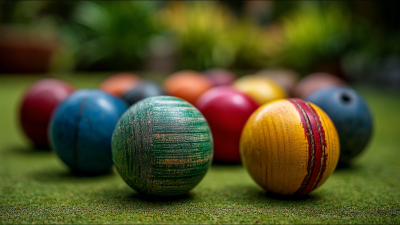
Wooden croquet balls provide a traditional feel. Their natural variability means players might experience slight differences in bounce and roll. This unpredictability can challenge a player’s skills, enhancing the game’s excitement. In contrast, plastic balls are more consistent, leading to uniform gameplay. They maintain stability and predictability, which may appeal to beginners.
The choice of material affects gameplay significantly. A softer ball may absorb impact better, making it less likely to fracture on poor hits. In contrast, a harder ball can travel further. This can frustrate players who struggle with control. Exploring various materials allows players to find what suits their style. Understanding these nuances cultivates deeper engagement with the game, revealing the layers within this seemingly simple sport.
Choosing the Right Croquet Ball for Different Skill Levels
Selecting the right croquet ball can greatly enhance your game experience. Different skill levels require different types of balls to perform well and ensure enjoyment. Beginners often benefit from softer balls. These balls are easier to hit and control. Their lighter weight makes them less intimidating.
For intermediate players, medium-weight balls provide a great balance. They offer better precision while maintaining control. Advanced players may prefer heavier balls for greater distance and impact. Heavier balls allow skilled players to execute more challenging shots effectively.
**Tips**: Always test a ball before committing to a purchase. Feel its weight and grip. If possible, play with various options to understand your preference. Additionally, consider the playing surface. Generally, softer balls work better on uneven lawns. Take your time to find what suits you best. Each player has unique needs, so reflect on your gameplay. Enjoy the process of discovering your perfect croquet ball!