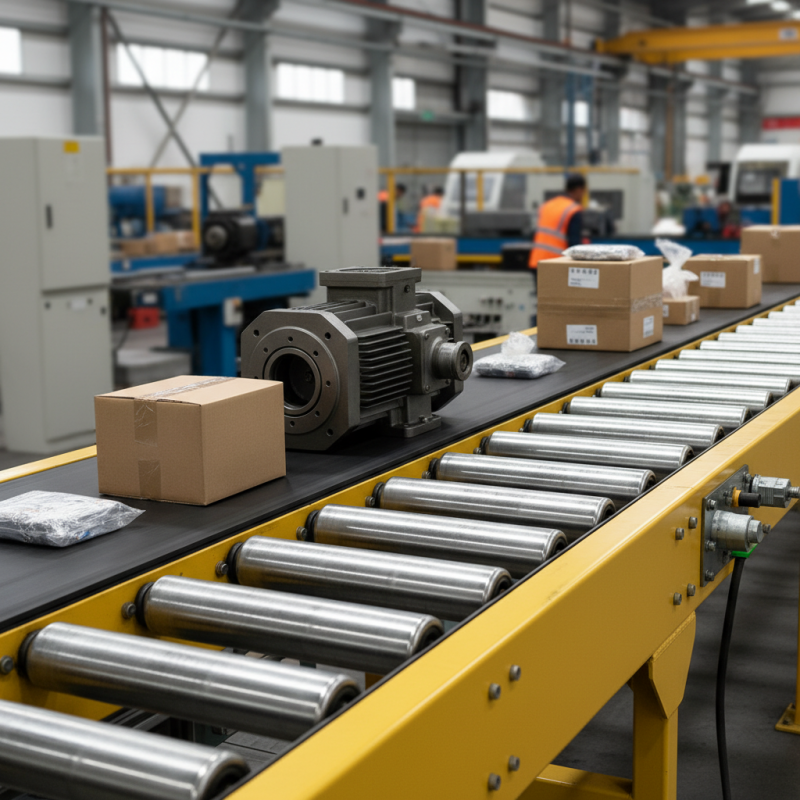
What is a conveyor belt roller and how does it work?
conveyor belt rollers play a crucial role in material handling systems. They support the conveyor belt and facilitate the smooth movement of goods. These rollers enable efficient transportation of various products, from heavy machinery to lightweight packages.
The design of conveyor belt rollers is essential for ensuring durability and performance. Often made from metal or plastic, they can withstand heavy loads and harsh environments. Proper installation and maintenance are key to their effectiveness. However, many overlook the importance of these components.
Understanding how conveyor belt rollers work can lead to better efficiency in operations. They reduce friction and enhance the lifespan of the conveyor system. This is important, as any downtime affects productivity and profit. Investing time in learning about these rollers can pay off significantly.
What is a Conveyor Belt Roller?
A conveyor belt roller is a vital component in conveyor systems. These rollers support the belt and facilitate material movement. They come in different sizes, lengths, and materials. This diversity helps them address various industrial needs.
The operation of a conveyor belt roller is straightforward. As the drive motor turns the belt, the rollers spin, reducing friction. This process allows heavy items to glide smoothly along the belt. Over time, however, rollers can wear out or become misaligned. Regular checks and maintenance are essential. Neglect can lead to inefficiencies and increased operational costs.
Additionally, the installation angle of rollers can affect performance. A slight tilt may optimize material flow, but too much can cause jams. This balance requires careful consideration. It’s vital for operators to reflect on these aspects continuously to ensure smooth operation.
What is a Conveyor Belt Roller and How Does it Work?
| Type of Roller | Material | Diameter (mm) | Length (mm) | Weight Capacity (kg) | Typical Application |
| Standard Roller | Steel | 89 | 1000 | 1500 | Material Handling |
| Impact Roller | Rubber | 76 | 1200 | 1000 | Heavy Load Applications |
| Return Roller | Galvanized Steel | 102 | 1100 | 1200 | Belt Support |
| Self-Cleaning Roller | Plastic | 50 | 800 | 800 | Dust and Dirt Management |
| Idler Roller | Aluminum | 60 | 900 | 700 | Conveyor Systems |
The Components of a Conveyor Belt Roller
A conveyor belt roller is a crucial component in material handling systems. Essentially, it supports the conveyor belt and enables smooth movement of materials. The design of a conveyor belt roller includes a shell, bearings, and a shaft. Each part plays a significant role in maintaining efficiency.
Rollers typically measure around 3 to 12 inches in diameter. According to industry reports, a quality roller can handle up to 3,000 pounds. Bearings within the roller reduce friction. They must be maintained regularly to ensure longevity. There can be issues with bearing failure, which can significantly disrupt operations.
The alignment of these rollers impacts overall system efficiency. A misaligned roller can lead to increased wear and tear on the belt. In some cases, belts can even slip off entirely. This leads to costly downtimes. Regular inspections are necessary, yet they are often overlooked. As a result, operations may face challenges that could have been prevented.
Investing in high-quality rollers and maintenance systems pays off in the long run.
How Conveyor Belt Rollers Function in Material Handling
Conveyor belt rollers are essential components in material handling systems. They support and guide conveyor belts, reducing friction and allowing smooth movement of materials. According to industry reports, over 70% of manufacturing processes utilize conveyor systems. These rollers help optimize efficiency in warehouses and factories.
The functionality of conveyor belt rollers revolves around their design. Most rollers consist of a cylindrical body and bearings that allow rotation. This design minimizes resistance while transporting goods. Roller diameter and length are crucial for handling varying weights and loads. Effective roller systems can increase productivity by up to 30%. However, improper roller alignment can lead to wear and tear, affecting performance.
Tip: Regularly inspect roller alignment and maintenance schedules to maximize lifespan and efficiency. Preventative measures save costs in the long run. In the bustling material handling sector, every detail counts. Sometimes, overlooked factors can cripple operations, leading to delays and losses.
Moreover, understanding the materials transported is vital. Heavy or abrasive materials may require specific roller types. Choosing the correct roller can prevent unnecessary breakdowns.
Tip: Conduct regular training for staff on system operation and maintenance. A well-informed team can identify issues early. This proactive approach ensures the conveyor system runs smoothly.
Types of Conveyor Belt Rollers and Their Applications
Conveyor belt rollers are crucial components in material handling systems. They support the conveyor belt and enhance its movement. Various types of rollers exist, each designed for specific applications.
Common types include drive rollers, which help propel the belt forward. Return rollers support the belt's mechanism after it has carried materials. Impact rollers absorb shock from heavy loads. Each type plays a distinct role in the efficiency of the conveyor system.
Tips: Regular maintenance is key. Inspect rollers often for wear and tear. A small issue can lead to bigger problems. Replace defective rollers promptly to avoid downtimes.
Specialized rollers also exist for specific materials. For instance, food-grade rollers ensure hygiene in food processing. Heavy-duty rollers are essential for rugged environments. Understanding these details helps in selecting the right type for your needs.
Tips: Always consider the environment. The right roller can prevent unnecessary breakdowns. Know your materials and their handling requirements. Select rollers that complement your system for optimal performance.
Maintenance Tips for Conveyor Belt Rollers
Maintaining conveyor belt rollers is essential for optimal performance. Regular inspection is crucial. Look for signs of wear and tear on the roller surface. The bearings need lubrication to operate smoothly. Insufficient lubrication can lead to overheating. This affects not only the roller but also the entire conveyor system.
Cleaning debris and dust from the rollers is equally important. Accumulated material can create drag. It puts extra pressure on the motor and other components. Use a soft brush to gently remove dirt. Check alignment periodically to avoid uneven wear. Missed alignments can lead to larger issues over time.
When replacing rollers, ensure the new ones meet the right specifications. An incorrect size can disrupt the flow of materials. Consider the operating environment, too. Extreme temperatures or exposure to harsh elements can impact roller longevity. Regularly revisiting these maintenance practices is vital, even if everything seems to be functioning. Consistency is key to preventing unexpected breakdowns.