How to Choose the Best Wooden Bowling Ball for Your Game?
Choosing the best wooden bowling ball for your game can be a daunting task. With various factors to consider, each decision seems significant. A wooden bowling ball offers a unique feel that many players appreciate. However, not all wooden balls are created equal.
One must evaluate weight, size, and texture. For instance, a heavy ball may improve control but can tire you out quickly. Alternatively, a lighter ball can enhance speed but may lack precision. Players often overlook the finish on the ball. A smooth surface allows for better gliding, while a textured ball may provide extra friction.
Personal preference is key. Test different options before settling on one. There is no perfect ball for every player. Reflect on your own style and needs. Taking the time to choose wisely will enhance your overall bowling experience.
Understanding the Different Types of Wooden Bowling Balls Available
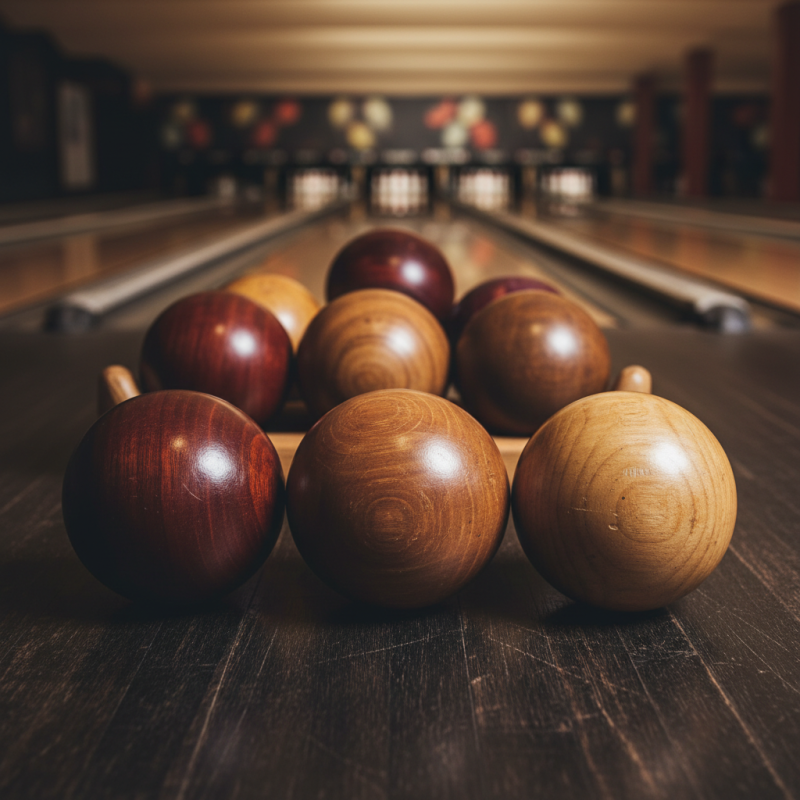
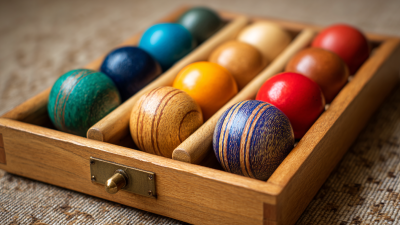
When choosing a wooden bowling ball, it's vital to understand the different types available. Each type has unique characteristics that can significantly affect your game. Generally, wooden bowling balls are made from various hardwoods, including maple and birch. Maple balls are dense and provide excellent durability. They are ideal for straight shots and experienced players. In contrast, birch balls offer great balance and control, making them suitable for beginners.
Additionally, the weight of the bowling ball can change how it performs. Lighter balls are easier to handle but may not deliver the power needed for strikes. Heavier options provide more force but require a stronger grip. A common mistake is selecting a ball solely based on appearance rather than performance characteristics. Testing different options can lead to valuable insights about your preferences and playing style.
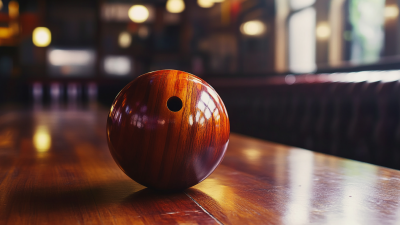
Lastly, pay attention to the finish of the ball. Some have a smooth surface, which allows for faster throws. Others might have a textured finish, providing more grip. Experimenting with both can help refine your technique. Don't be afraid to ask fellow bowlers for advice or feedback. Every bowler has their own experiences, and learning from others can enhance your understanding.
Comparison of Different Types of Wooden Bowling Balls
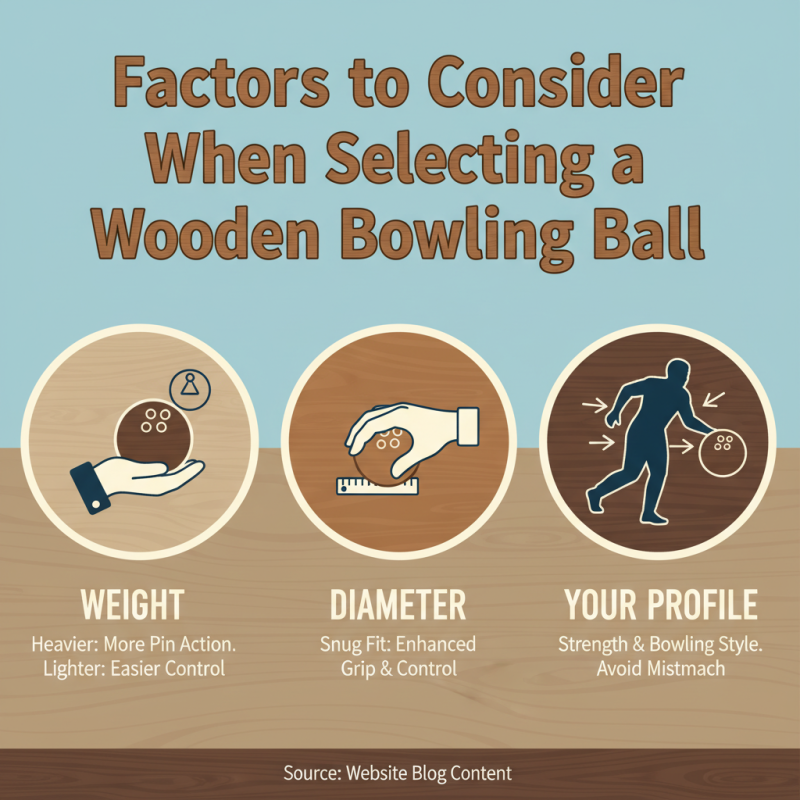
Factors to Consider When Selecting a Wooden Bowling Ball
When selecting a wooden bowling ball, several factors come into play. The weight of the ball is crucial. Heavier balls can provide more pin action, while lighter ones are easier to control. Consider your strength and bowling style. A mismatched weight can impact your game negatively. The diameter also matters; a snug fit in your hand can enhance your grip and control.
Wood quality influences durability and performance. Different types of wood can affect the ball's reaction on the lane. Hardwoods typically offer better performance but can wear faster. You must balance performance with longevity. Examine the finish of the ball too. A smooth finish helps with easier release, while a textured surface can aid grip in varying conditions.
Your skill level and experience should guide your choice. An experienced bowler might prefer a heavier ball for challenge, while beginners could benefit from lighter weights. Reflect on your bowling goals and comfort. It’s okay to change your mind after a few games. Adjusting your choice based on experience can lead to improvement. Ultimately, finding the right wooden bowling ball is a journey that involves trial and error.
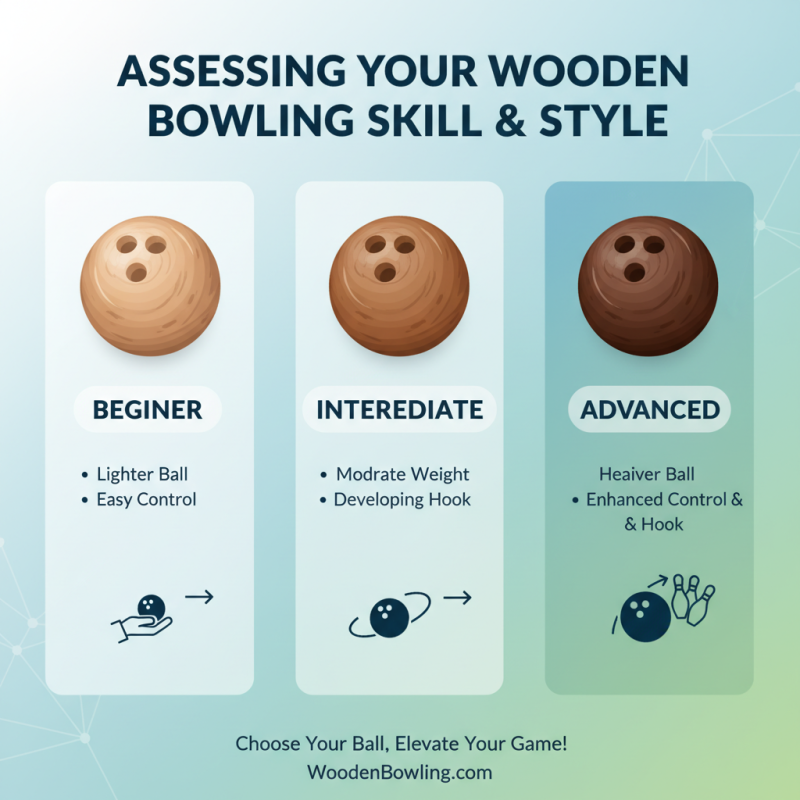
Assessing Your Skill Level and Playing Style
Choosing the right wooden bowling ball starts with understanding your skill level. Are you a beginner, intermediate, or advanced player? A beginner may benefit from a lighter ball, while more skilled players might prefer heavier options. Heavier balls can offer more control and hook potential, which advanced players often seek.
Next, consider your playing style. Do you throw straight or with a hook? A straight thrower might choose a less aggressive design. In contrast, hook players need a ball that enhances their natural curve. Take time to practice with different weights and grips. This experimentation can reveal how each ball affects your game. You might find that a ball feels perfect in the shop but performs poorly on the lane.
Self-assessment is critical. Reflect on where improvements are possible. Some players struggle with consistency. Identifying issues in your technique can inform your choice. This understanding can narrow your options and lead you to the best fit. Stay open to adjusting your preferences as your skills evolve. Your perfect wooden bowling ball may change over time.
Evaluating the Weight and Size of Your Bowling Ball
Choosing the right weight and size for a wooden bowling ball is crucial for your performance. The weight of the ball affects your control and power. A heavier ball can provide more impact but might be harder to handle. In contrast, a lighter ball offers better maneuverability. Finding the right balance is key to improving your game.
When determining the size, consider your hand's grip. A well-fitted ball allows you to control your shots better. Measure the span of your fingers to ensure comfort. If a ball feels slippery or tight, it may not be the best choice for you. Remember, sometimes the perfect fit requires experimenting with different options.
It's essential to reflect on your bowling style. Are you a power player or a finesse bowler? A heavier ball might suit strength players, while lighter options benefit those emphasizing precision. Don't overlook this balance; your choice should feel natural. Experimentation can lead to an unexpected favorite. Embrace the journey of finding your ideal match.
The Importance of Grip and Finish in Bowling Balls
Choosing the right wooden bowling ball plays a crucial role in your overall performance. The grip and finish are particularly important factors to consider. A good grip enhances your control over the ball. It allows you to execute your shots more effectively. A poor grip may lead to missed throws.
Tip: Always check the surface texture of the ball. A rough finish can provide better traction, especially for beginners. If your hands tend to sweat, consider a ball with a matte finish. This can improve your grip significantly.
Another critical aspect is the weight of the ball. It should feel comfortable in your hand. If it feels too heavy or too light, you may struggle to maintain control. This lack of control can be frustrating, especially during competitive play.
Tip: Try different weights. Experiment with various wooden bowling balls. Find the one that balances well. Reflect on your performance with each ball to identify what works best for you. Your own preferences and style of play will guide your choice.
How to Choose the Best Wooden Bowling Ball for Your Game?
| Weight (lbs) |
Grip Type |
Finish Type |
Recommended Skill Level |
Ideal Lane Conditions |
| 10 |
Conventional |
Polished |
Beginner |
Dry to Medium |
| 12 |
Fingertip |
Sandblasted |
Intermediate |
Medium |
| 14 |
Conventional |
High Gloss |
Advanced |
Medium to Oily |
| 16 |
Fingertip |
Matte |
Expert |
Oily |